Why Does Mould and Algae Grow on Outdoor Surfaces in Sunshine Coast?
Outdoor surfaces around your property are constantly exposed to changing weather conditions, moisture and environmental elements. In the Sunshine Coast, Queensland, warm temperatures, humidity and seasonal rainfall can create ideal conditions for mould and algae growth. These unwanted organisms commonly appear on driveways, concrete pathways, pavers, patios, pool surrounds, exterior walls and other outdoor areas.
Apart from affecting the appearance of your property, mould and algae can make outdoor surfaces slippery, particularly when wet. If left untreated, organic growth can spread across larger areas, making regular property maintenance more difficult.
Understanding why mould and algae develop is the first step towards preventing their growth and maintaining clean outdoor spaces. Professional pressure washing Sunshine Coast services can help remove accumulated organic growth, restore the appearance of exterior surfaces and improve the overall condition of your property.
In this guide, we explore the common causes of mould and algae growth, the outdoor areas most affected, effective cleaning solutions and how professional pressure cleaning can help protect your Sunshine Coast property.
What Causes Mould and Algae to Grow on Outdoor Surfaces?
Mould and algae are commonly found in outdoor environments where moisture, warmth and suitable surfaces are available. Although they are different types of organisms, both can develop on exterior surfaces when environmental conditions support their growth.
The Sunshine Coast experiences a subtropical climate, with warm conditions and periods of higher humidity throughout the year. These environmental factors can contribute to organic growth, particularly in shaded and poorly ventilated areas.
Here are some of the main reasons mould and algae develop around residential and commercial properties.
1. High Humidity and Moisture Levels
Moisture is one of the main factors responsible for mould and algae growth. Outdoor surfaces that remain damp for extended periods provide favourable conditions for these organisms to develop.
Humidity, rainfall, morning dew and water runoff can leave surfaces wet for several hours or even longer. Areas that receive limited sunlight may take considerably more time to dry.
For example, concrete driveways, paved pathways and outdoor entertaining areas can develop dark patches when moisture regularly accumulates on their surfaces.
Professional pressure cleaning services in Sunshine Coast can help remove visible organic growth and surface deposits, restoring a cleaner appearance to affected areas.
2. Warm Sunshine Coast Weather
Warm temperatures can encourage the development of many types of mould and algae. Combined with moisture, the Sunshine Coast’s subtropical weather can create favourable growing conditions throughout much of the year.
Unlike colder regions where outdoor surfaces may remain dry or experience freezing temperatures, Sunshine Coast properties can experience extended periods of warmth and humidity.
This means outdoor areas may require regular maintenance to prevent organic growth from becoming established.
Driveways, patios, pathways and concrete surfaces are particularly vulnerable when moisture and environmental deposits accumulate over time.
3. Limited Sunlight and Shaded Areas
Outdoor surfaces that receive little direct sunlight are often more susceptible to mould and algae growth.
Sunlight helps outdoor surfaces dry after rainfall or cleaning. When trees, fences, buildings or roof structures block sunlight, moisture can remain trapped for longer.
Common problem areas include:
- Shaded concrete driveways.
- Garden pathways surrounded by trees.
- Pavers beneath outdoor patio covers.
- North-facing and poorly ventilated walls.
- Pool surrounds with limited sunlight.
- Areas beneath outdoor furniture.
Regular concrete cleaning in Sunshine Coast and exterior surface maintenance can help remove visible growth from these areas before it spreads further.
4. Poor Drainage and Standing Water
Drainage problems can contribute significantly to mould and algae development.
When rainwater or cleaning water collects on outdoor surfaces instead of draining away, damp conditions can persist. Low-lying sections of driveways, uneven paving and poorly designed drainage systems can create ideal conditions for organic growth.
Standing water can also carry soil, leaves and other organic materials that accumulate on surfaces.
If you regularly notice water collecting around your property, addressing the underlying drainage issue is important. Professional pressure cleaning can remove existing surface growth, but correcting drainage problems helps reduce the likelihood of recurring issues.
5. Accumulation of Dirt, Leaves and Organic Debris
Outdoor surfaces collect a variety of environmental materials, including dust, leaves, pollen, soil and plant debris.
When these materials remain on damp surfaces, they can contribute to the conditions that support organic growth.
For example, leaves accumulating between pavers can retain moisture and encourage biological growth. Similarly, garden debris around concrete pathways can leave stains and discolouration over time.
Routine outdoor cleaning and professional paver cleaning in Sunshine Coast can help remove accumulated deposits and improve the appearance of paved areas.
Which Outdoor Surfaces Are Most Affected by Mould and Algae?
Mould and algae can develop on several types of exterior surfaces. However, certain areas around residential and commercial properties are more vulnerable because they regularly experience moisture, shade and environmental exposure.
1. Concrete Driveways
Concrete driveways are among the most commonly affected outdoor surfaces.
Constant exposure to rain, vehicle runoff, dust and organic debris can cause discolouration and encourage algae growth. Dark green, black or slippery patches may gradually appear, particularly in shaded sections.
Apart from affecting your property’s street appeal, algae-covered driveways can become slippery when wet.
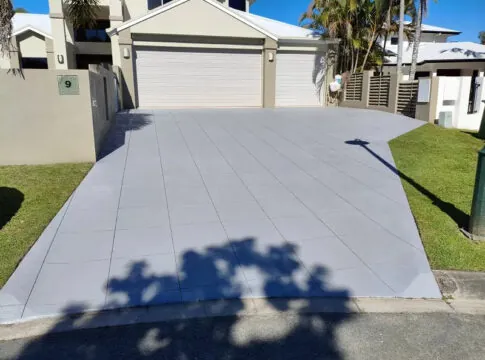
Professional driveway cleaning services in Sunshine Coast helps remove accumulated surface deposits and visible organic growth, restoring a cleaner and more presentable driveway.
2. Pavers and Outdoor Pathways
Pavers and outdoor walkways are regularly exposed to moisture and environmental debris.
The joints between individual pavers can collect soil, leaves and organic material. These areas may retain moisture, allowing mould and algae to develop.
Garden pathways and shaded walkways are especially vulnerable because they often receive limited sunlight.
Professional paver cleaning in Sunshine Coast can help remove visible algae, surface stains and accumulated deposits from suitable paving materials.
3. Pool Surrounds
Pool areas are particularly susceptible to algae growth because water is frequently splashed onto surrounding surfaces.
Combined with humidity and limited drainage, this moisture can contribute to slippery patches around pool surrounds.
Outdoor tiles, concrete, paving and entertaining areas may all develop organic growth if they are not maintained regularly.
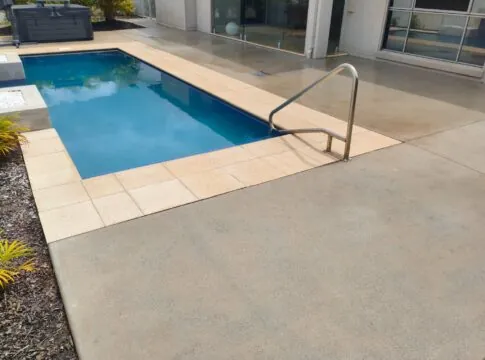
Professional pool area cleaning in Sunshine Coast can help remove visible organic growth and surface deposits from pool surrounds and nearby outdoor spaces.
Keeping these areas clean is important for maintaining a more comfortable and safer outdoor environment.
4. Patios and Outdoor Entertaining Areas
Patios and outdoor entertaining spaces often experience a combination of shade, moisture and accumulated debris.
Covered areas may not receive enough sunlight to dry quickly after rainfall. Furniture, pot plants and outdoor decorations can also create shaded sections where moisture remains trapped.
5. Exterior Walls and Fences
Exterior walls, rendered surfaces and fences are also exposed to moisture, rainfall and airborne organic material.
Green patches, dark marks and surface discolouration can gradually develop, particularly on shaded walls and timber fencing.
However, not every exterior surface should be cleaned using high-pressure equipment. Delicate materials may require a softer cleaning approach to avoid surface damage.
Professional soft washing services can be an appropriate option for suitable exterior surfaces.
Is Mould and Algae on Outdoor Surfaces Dangerous?
Mould and algae growth should not be ignored, particularly when it develops in areas regularly used by family members, visitors or customers.
Although not every type of outdoor growth presents the same level of risk, excessive organic build-up can create several problems.
Slippery Outdoor Surfaces
One of the main concerns associated with algae growth is reduced surface traction.
Algae can create a slippery layer on concrete, pavers, tiles and other hard surfaces, especially when wet.
This can increase the risk of slips and falls around:
- Driveways and garage entrances.
- Swimming pool surrounds.
- Garden pathways.
- Outdoor stairs.
- Patios and entertaining spaces.
Regular professional pressure cleaning can help remove visible algae build-up and improve the condition of frequently used outdoor surfaces.
Reduced Property Appearance
Dark stains, green patches and uneven surface discolouration can make an otherwise well-maintained property appear neglected.
Driveways, pathways and outdoor entertaining areas are among the first features visitors notice when approaching a home.
Professional exterior cleaning can help improve the overall presentation of your property.
Recurring Surface Damage and Maintenance Issues
Some types of biological growth can contribute to staining and deterioration, particularly when moisture is allowed to persist on vulnerable materials.
Organic debris and moisture can also affect joints, coatings and surface finishes over time.
Routine cleaning and appropriate maintenance can help prevent excessive build-up and reduce the need for more intensive restoration work.
How Can You Prevent Mould and Algae Growth on Outdoor Surfaces?
Although the Sunshine Coast’s climate cannot be controlled, there are several practical steps property owners can take to reduce the conditions that encourage mould and algae growth.
1. Keep Outdoor Areas Clean
Regularly remove fallen leaves, dirt, plant debris and other materials from driveways, patios and pathways.
Keeping surfaces free from accumulated debris helps reduce moisture retention and makes it easier to identify early signs of organic growth.
2. Improve Drainage Around Your Property
Check outdoor areas for standing water after rainfall.
Blocked drains, uneven paving and poor water runoff can contribute to persistent moisture problems.
Addressing drainage issues can help outdoor surfaces dry more efficiently.
3. Trim Overhanging Trees and Vegetation
Overgrown trees and shrubs can block sunlight and prevent outdoor surfaces from drying properly.
Trimming vegetation where appropriate can improve sunlight exposure and airflow around driveways, pathways and exterior walls.
4. Schedule Regular Pressure Cleaning
Routine exterior cleaning is an important part of property maintenance.
Professional pressure washing in Sunshine Coast can remove accumulated dirt, stains and visible organic growth from suitable hard surfaces.
The appropriate cleaning frequency depends on the property’s location, surface materials, shade, drainage and exposure to moisture.
5. Consider Professional Soft Washing
Not every surface is suitable for high-pressure cleaning.
Rendered walls, painted surfaces and certain exterior materials may require a gentler approach.
Soft washing uses low-pressure application and suitable cleaning solutions to address organic growth on compatible surfaces.
A professional cleaning assessment can help determine the most appropriate method for your property.
Pressure Washing vs Soft Washing: Which Is Better for Mould and Algae Removal?
Both pressure washing and soft washing are commonly used for exterior property maintenance. However, the right approach depends on the material being cleaned and the type of surface contamination.
Pressure Washing
Pressure washing uses controlled water pressure to remove surface deposits, stains and accumulated organic growth from suitable hard surfaces.
It is commonly used for:
- Concrete driveways.
- Concrete pathways.
- Paved outdoor areas.
- Suitable pool surrounds.
- Patios and hard outdoor surfaces.
Professional pressure cleaning services can help restore the appearance of these areas by removing stubborn surface build-up.
However, excessive pressure can damage certain materials, dislodge jointing sand or affect surface coatings. The correct pressure and cleaning technique are essential.
Soft Washing
Soft washing uses lower water pressure combined with suitable cleaning solutions to address organic growth on compatible surfaces.
It may be suitable for:
- Painted exterior walls.
- Rendered surfaces.
- Certain roof materials.
- Fences.
- Delicate exterior finishes.
Soft washing helps clean surfaces without relying on high-pressure water.
Which Method Should You Choose?
There is no single cleaning method suitable for every outdoor surface.
Concrete and other durable hard surfaces may benefit from professional pressure washing, while more delicate materials may require soft washing.
An experienced pressure cleaning professional can assess the surface condition and recommend an appropriate cleaning method.
Keep Your Outdoor Surfaces Clean with Samurai Pressure Washing
Mould and algae growth can gradually affect the appearance and usability of outdoor surfaces, particularly in the warm and humid conditions experienced across the Sunshine Coast.
From slippery driveways and discoloured pavers to algae-covered pool surrounds, these issues can become more noticeable when regular maintenance is overlooked.
At Samurai Pressure Washing, we provide professional pressure cleaning solutions to help residential and commercial property owners maintain cleaner outdoor spaces across the Sunshine Coast.
Our services include:
- Driveway Cleaning: Remove accumulated surface deposits and visible staining from suitable driveway surfaces.
- Concrete Cleaning: Improve the appearance of concrete areas, including pathways and outdoor hard surfaces.
- Paver Cleaning: Clean outdoor paving and help remove visible algae and surface build-up.
- Pool Area Cleaning: Maintain cleaner pool surrounds and outdoor entertaining areas.
- Paths and Walkways Cleaning: Remove surface deposits and visible organic growth from suitable outdoor pathways.
- Soft Washing: Use an appropriate low-pressure cleaning approach for compatible exterior surfaces.
- Concrete Sealing: Help protect suitable concrete surfaces following appropriate preparation.
We understand that different surfaces require different cleaning techniques. Our focus is on providing suitable cleaning solutions that help maintain the appearance and condition of your outdoor spaces.
If your driveway, pathways, pavers or pool surrounds are showing signs of mould and algae growth, professional cleaning can help restore their appearance.
Contact Samurai Pressure Washing today to discuss your outdoor cleaning requirements and request a quote for professional pressure washing services across the Sunshine Coast.
Frequently Asked Questions
1. Why does mould grow so quickly on outdoor surfaces in Sunshine Coast?
Mould can develop quickly when moisture, warmth and suitable surface conditions are present. The Sunshine Coast’s humid climate, seasonal rainfall and shaded outdoor areas can create favourable conditions for mould growth on concrete, pavers, pathways and exterior walls.
2. How do I remove algae from my concrete driveway?
Algae can be removed from suitable concrete surfaces using appropriate cleaning methods and equipment. Professional driveway pressure cleaning helps remove visible organic growth and surface deposits. The correct pressure and technique should be selected to avoid damaging the concrete.
3. Does pressure washing remove mould and algae?
Professional pressure washing can remove visible mould and algae from many suitable hard surfaces. However, results depend on the surface material, extent of growth and cleaning method. Some situations may require suitable cleaning treatments in addition to pressure washing.
4. How often should outdoor surfaces be pressure cleaned?
The ideal cleaning frequency depends on moisture exposure, shade, surface condition and environmental conditions. Properties surrounded by trees or exposed to frequent moisture may require more frequent cleaning than areas that receive plenty of sunlight and remain dry.
5. Is pressure washing safe for outdoor pavers?
Pressure washing can be suitable for many outdoor pavers when the correct equipment, pressure and cleaning technique are used. Excessive pressure can damage paver surfaces or remove jointing sand, so professional assessment is recommended.
6. Can algae make pool surrounds slippery?
Yes. Algae growth can create slippery conditions on pool surrounds, particularly when surfaces become wet. Regular pool area cleaning helps remove visible organic growth and maintain cleaner outdoor surfaces.
7. What is the difference between pressure washing and soft washing?
Pressure washing uses controlled water pressure to clean suitable hard surfaces, while soft washing uses lower pressure and appropriate cleaning solutions to address organic growth on compatible materials. The best method depends on the surface being cleaned.
8. Can concrete sealing help prevent mould and algae growth?
Concrete sealing can help reduce surface absorption and make certain concrete surfaces easier to maintain, depending on the sealer and application. However, sealing does not guarantee that mould or algae will not return. Proper surface preparation, drainage and ongoing maintenance remain important.
9. Should I hire a professional for mould and algae removal?
Professional cleaning is recommended when organic growth covers large areas, creates slippery conditions or is difficult to remove using basic cleaning methods. Professionals can assess the surface and select appropriate cleaning equipment and techniques.
10. Does Samurai Pressure Washing provide services across Sunshine Coast?
Samurai Pressure Washing provides professional pressure cleaning services across the Sunshine Coast. Contact the team to discuss your property’s cleaning requirements, available services and a suitable cleaning solution.